
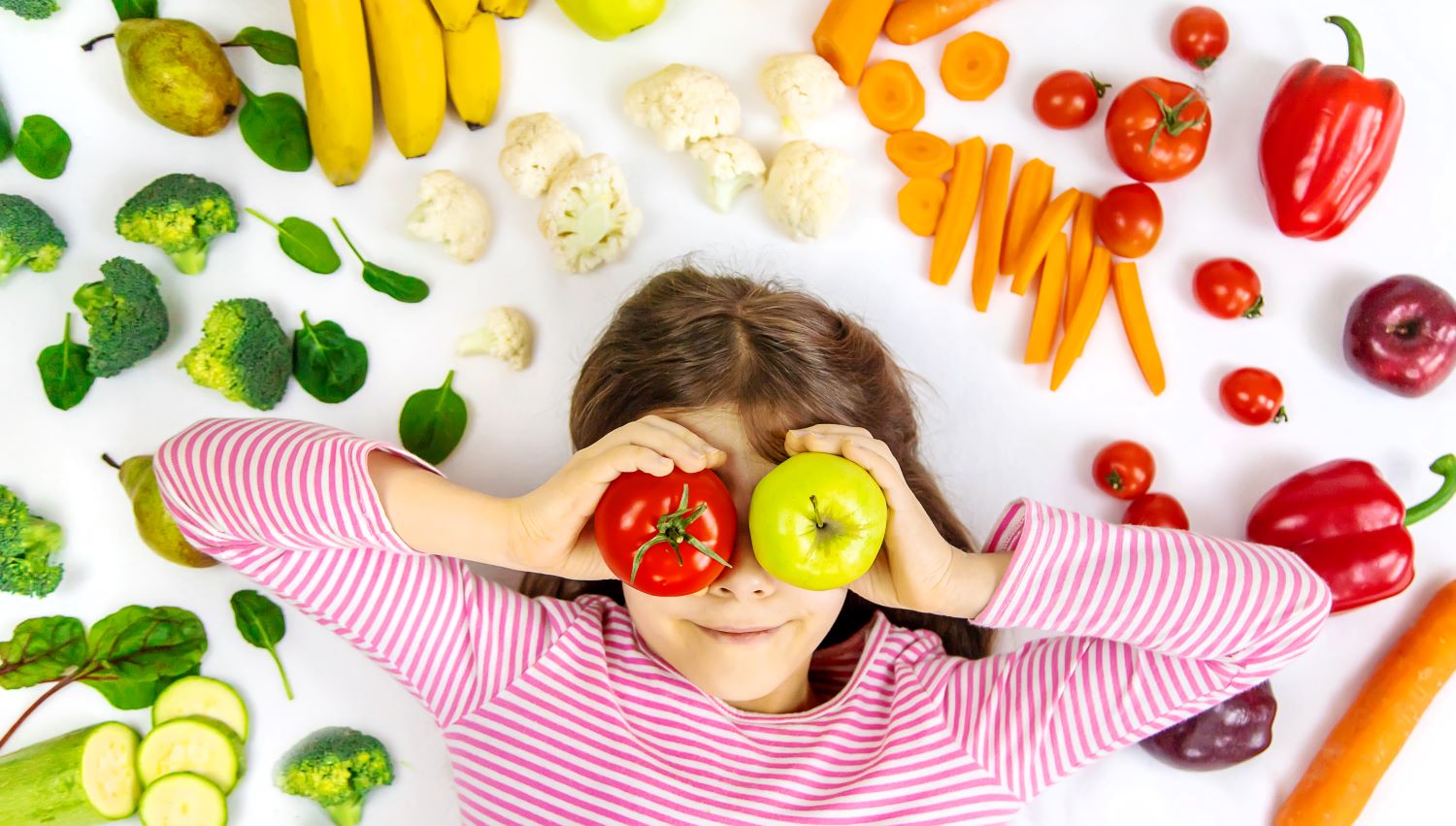
Good nutrition is one of the most important factors in a child’s growth, development, and long-term health. Proper nutrition during early childhood provides the foundation for physical well-being, cognitive development, and strong immunity. Ensuring that young children receive balanced meals rich in essential nutrients helps them to thrive both in the early years and later in life.
This article, will explore the importance of proper nutrition for young children, key nutrients needed for their growth, and practical ways to encourage healthy eating habits.
Why Proper Nutrition is Essential for Young Children
Nutrition plays a crucial role in every stage of a child’s development. A well-balanced diet provides:
1. Physical Growth and Development
Proper nutrition supports the development of strong bones, muscles, and organs. This is because nutrients like calcium, protein, and vitamins help build a healthy body structure. Calcium is required in order for the bones in a body to develop, protein is quintessential for muscle growth and vitamins are essential for the growth and development of body.
2. Brain and Cognitive Function
Omega-3 fatty acids, iron, and B vitamins play a critical role in brain development and learning. A well-fed child is more focused, alert, and ready to absorb new information.
3. Stronger Immune System
A balanced diet with vitamins A, C, and E, along with zinc and antioxidants, helps protect children from infections and illnesses.
4. Healthy Eating Habits for Life
Habits formed in childhood are often continue into adulthood and food habits are no exception. Hence why encouraging a variety of nutritious foods early on reduces the risk of obesity, diabetes, and heart disease later in life.
Essential Nutrients for Young Children
To ensure healthy growth, young children need a variety of nutrients from different food groups. Lets digest information about some of the most important ones:
1. Protein
As aforementioned, this helps to build muscles and tissues. The main sources of protein are: eggs, chicken, fish, beans, tofu, yogurt. The last 3 show that while many presume that protein is only found in meat, this is not true and there are vegana and vegetarian sources of protein.
2. Carbohydrates
Carbohydrates provide the much needed energy for growth and daily activities and its main sources are whole grains, rice and potatoes but also fruits and vegetables which people may not know were classed as carbohydrates.
3. Healthy Fats –
Often people believe that foods high in fat are bad for the body and should be avoided. While this is true, there are healthy fats which support brain development and cell function. Sources of this are avocados, nuts, seeds, olive oil and fatty fish.
4. Vitamins and Minerals
- Calcium – Builds strong bones and teeth (milk, yogurt, cheese, leafy greens)
- Iron – Supports brain function and prevents anemia (lean meat, beans, fortified cereals)
- Vitamin A – Supports vision and immune health (carrots, sweet potatoes, eggs)
- Vitamin C – Helps fight infections and improves iron absorption (oranges, strawberries, bell peppers)
- Vitamin D – Essential for bone health (fortified dairy, fish, sunlight exposure)
5. Fiber
Promotes digestion and prevents constipation. All nutrients aforementioned can be fibre filled, with whole grains, fruits, vegetables, beans being the highest fibre sources.
6. Water
The importance of water should be heavily enforced onto children as it prevents dehydration and supports their overall health. A limit on sugary drinks like sodas and fruit juices should also be enforced as they tend to be filled with sugar, bad fats and preservatives. What kids drink is just as important as what they eat.
How to Promote Healthy Eating Habits in Young Children
1. Offer a Variety of Nutritious Foods
It is often found that children tend to be apprehensive of trying new foods. This not only limits their palate but also limits the amount of nutrients they are consuming and therefore stagnates their growth and health. As a result, kids should be introduced to different foods early on to expand their taste preferences and make them more forthcoming to trying new food that is healthier.
A way to make children more willing to try new and healthier foods is through including colorful fruits and vegetables in meals to make them more appealing to and likely to be at least tried.
2. Encourage Self-Feeding and Independence
Allowing children to explore and enjoy their food at their own pace is important as it helps shape their own relationship with food which in the end helps shape their diet and health. This can be done through offering healthy finger foods for toddlers to encourage self-feeding or by clearly dividing the food groups / nutrients on aplate so the child can see what they are eating and choose where to start and how to navigate their meal.
3. Limit Sugary and Processed Foods
It is important to not only reduce the intake of confectionary and sugary drinks but to also replace these unhealthy snacks with healthier options like smooties, fruit, yogurt, or whole-grain crackers to show that their is a better alternative when snacking.
4. Be a Role Model
Many psychological studies show that children learn their behaviours and habits through observation and eating behaviours are no exeption. Children often imitate their parents’/ caregiver’ eating habits so they need to be shown the importance of eating balanced, nutritious meals and not just told. If they are taught one thing but shown another, this is counterproductive.
Common Challenges and Solutions
1. Picky Eating
As aforemntioned, a lack of openess to trying new foods is a common challenge faced when trying to get children to eat healthily. To overcome this, offer children can be new foods in small portions as to not overwhelm them, and/or mixed with familiar foods in hopes that they dont notice an unfamiliar item on their plate, and in a visually appealing manner so they actually want to eat it.
2. Refusal to Eat Vegetables
This ties in perfectly with the previous solution, simply add vegetables to favorite meals (e.g., blending spinach into smoothies or adding grated carrots to pasta sauce).
3. Not Drinking Enough Water
The importance of water cannot be stressed enough but it is often neglected. A solution for this it to keep a water bottle accessible at all times and to serve water with meals instead of sugary drinks so that they have to drink it .
Conclusion: Laying the Foundation for a Healthy Future
Proper nutrition during early childhood is crucial for lifelong health and well-being. A balanced diet rich in essential nutrients ensures optimal growth, supports brain function, and strengthens the immune system. By fostering healthy eating habits from a young age, parents and caregivers can set children on a path toward a healthier and happier future.
By making nutritious meals enjoyable and offering a variety of healthy food choices, we can help children develop a strong foundation for lifelong wellness.